Featured
Table of Contents
American households are carrying a few of the greatest financial obligation levels on record. In mid-2025, credit card balances passed $1.21 trillion, and the average cardholder owed more than $6,300. With purchase APRs now averaging about 22%, lots of families find that even paying the minimum monthly hardly dents their balances. Rising delinquencies demonstrate how tough it has become to maintain.
Reviewing Top Debt Settlement Companies in 2026These business work out with lenders to reduce the total amount owed on unsecured financial obligations like credit cards or personal loans. While settlement can lower balances, it's not without tradeoffs credit report can be affected, and taxes might apply on forgiven financial obligation. Not all business in this space are equal. Some are accredited and have years of results to point to, while others operate in fewer states or lack clear disclosures.
We limited this list to companies that concentrate on debt settlement programs where arbitrators deal with lenders to decrease the total quantity you owe on unsecured debts. Companies that only offer loans or credit therapy strategies were not included. The following factors assisted our rankings: Industry accreditation: Verified membership with groups such as the American Association for Financial Obligation Resolution (AADR) or the Association for Consumer Debt Relief (ACDR). Cost structure: Programs that follow FTC rules and charge no upfront charges, with costs gathered only after a settlement is reached and a payment is made.
State availability: How lots of states the business serves. Minimum debt requirement: The lowest quantity of unsecured financial obligation needed to register, typically $7,500 or $10,000. Track record and scale: Years in operation, number of accounts solved and recognition in independent rankings.
Founded in 2009, it has become one of the largest and most acknowledged debt settlement companies in the nation. The business is an accredited member of the Association for Customer Debt Relief, which signifies compliance with industry standards.
Preventing Illegal Creditor Agency Harassment in 2026
National Financial obligation Relief charges no in advance charges. Customers pay a fee generally between 15% and 25% of the registered financial obligation just after a settlement is reached and a payment is made. Programs are normally offered to people with at least $7,500 in unsecured debt, and services encompass 46 states, more than some competitors.
1 Achieve ranks second for 2026. Established in 2002, Achieve operates as part of Achieve Financial, a more comprehensive monetary services business that likewise offers personal loans and credit-building tools. Its financial obligation settlement services focus on working out unsecured debts such as credit cards and individual loans. Attain normally requires a minimum of about $7,500 in unsecured financial obligation to enlist.
Fees normally fall within the industry variety of 15% to 25% and are just gathered after a settlement is reached and a payment is made. While debt settlement is one part of a bigger item lineup, the company has actually earned strong customer evaluations and keeps clear disclosures about costs and process.
For consumers who value a recognized company with incorporated monetary tools and transparent settlement practices, Accomplish is a strong contender. 2 Established in 2008, Americor is a debt relief company that focuses on debt settlement for unsecured financial obligations such as charge card and personal loans. The business is a member of the American Association for Debt Resolution, which reflects adherence to industry requirements.
Program fees normally fall within the industry range of 15% to 25% and are collected only after a settlement is reached and a payment is made. Customers review and approve each settlement before it ends up being final.
Finding Community-Based Debt Help Partners in 2026
3 Developed in 2002 and headquartered in San Mateo, California, it is one of the longest-running and largest financial obligation settlement firms in the U.S.
Freedom Debt Liberty financial obligation generally require typically need $7,500 in unsecured debt. Charges are similar to rivals, typically ranging from 15% to 25%, and are only gathered after a settlement is reached and a payment is made.
4 Accredited Debt Relief takes the 5th area. Founded in 2011, it operates alongside Beyond Financing, LLC, which is listed as a certified member of the ACDR.Accredited generally needs clients to have at least $10,000 in unsecured financial obligation to certify. Charges fall in the market variety of 15% to 25%, gathered only after a debt is settled and a payment is made.
The company has earned positive marks in independent evaluations from Forbes Advisor and Bankrate. While its schedule does not encompass all states, Accredited remains a prominent name in the debt settlement market. 5 Financial obligation settlement can provide real relief for individuals battling with high balances, but selecting the best business matters.
How to Lower Card Rates Legally
Before enrolling, compare fees, availability and evaluates thoroughly to find the very best fit for your scenario. Debt settlement is a major monetary step, and working with a respectable company can make the process more transparent and efficient.
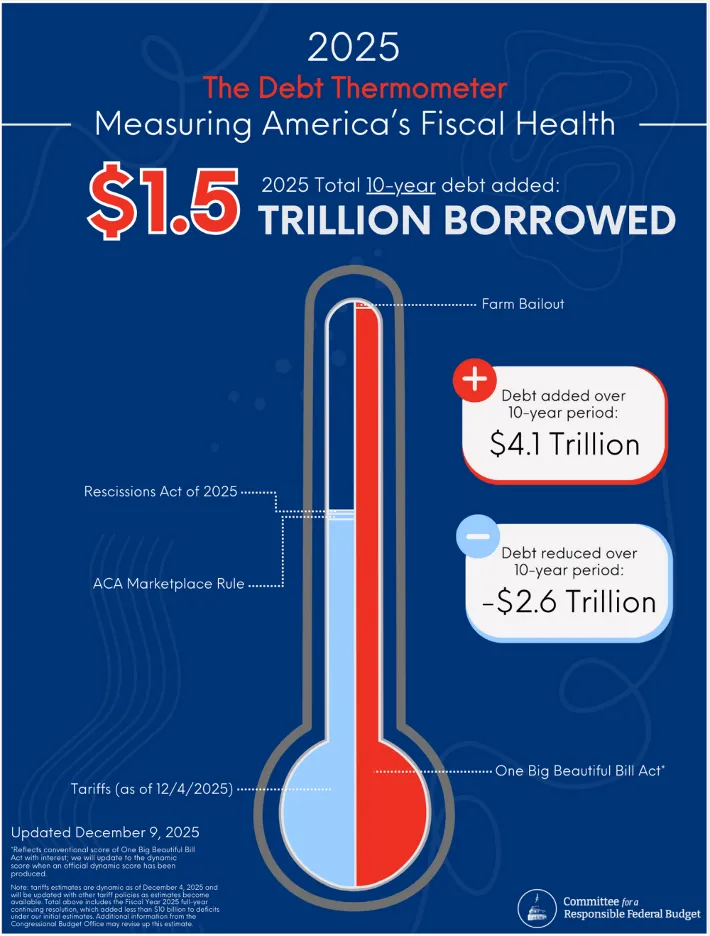
Household financial obligation in America is over 18 trillion dollars, according to the Federal Reserve Bank of St Louis. With so much financial obligation, it's not unexpected that lots of Americans want to be debt-free.
Financial obligation is always a monetary concern. But it has actually ended up being harder for many individuals to manage in recent years, thanks to increasing rate of interest. Rates have actually risen in the post-COVID era in action to uncomfortable financial conditions, including a surge in inflation triggered by supply chain interruptions and COVID-19 stimulus spending.
While that benchmark rate doesn't directly control rate of interest on debt, it impacts them by raising or decreasing the expense at which banks obtain from each other. Added expenses are generally handed down to consumers in the type of higher interest rates on financial obligation. According to the Federal Reserve Board, for instance, the average rates of interest on credit cards is 21.16% as of May 2025.
Card rates of interest might also increase or stay high into 2026 even if the Federal Reserve changes the benchmark rate, because of growing financial institution concerns about increasing defaults. When lenders are afraid consumers won't pay, they typically raise rates. Experian also reports average interest rates on vehicle loans struck 11.7% for used automobiles and 6.73% for new vehicles in March 2025.

Latest Posts
Official Federal Debt Relief Programs for 2026

Steps to File for Bankruptcy Legally in 2026

Top Public Debt Relief Options for 2026